

New Trucking graduates SAP and Local openings
What Trucking Schools Don’t Always Tell You: SAP Programs and the Reality of Getting Local Jobs After Graduation
Starting a career as a commercial truck driver can be a life‑changing decision. Trucking schools promise opportunity, stability, and a fast path into the workforce. And for many people, that’s true. But there are two topics that are often misunderstood—or not fully explained—when new drivers enroll:
- The SAP (Substance Abuse Professional) program and how it affects your career
- Why it’s very hard to get local driving jobs straight out of school
This blog is here to educate future drivers so they can make informed decisions and avoid costly surprises.
Understanding the SAP Program: What It Is and Why It Matters
The SAP program applies to drivers who have violated DOT drug and alcohol regulations. This can include:
- Failing or refusing a DOT drug or alcohol test
- Testing positive on a random, pre‑employment, or post‑accident test
- Admitting to drug or alcohol use that violates regulations
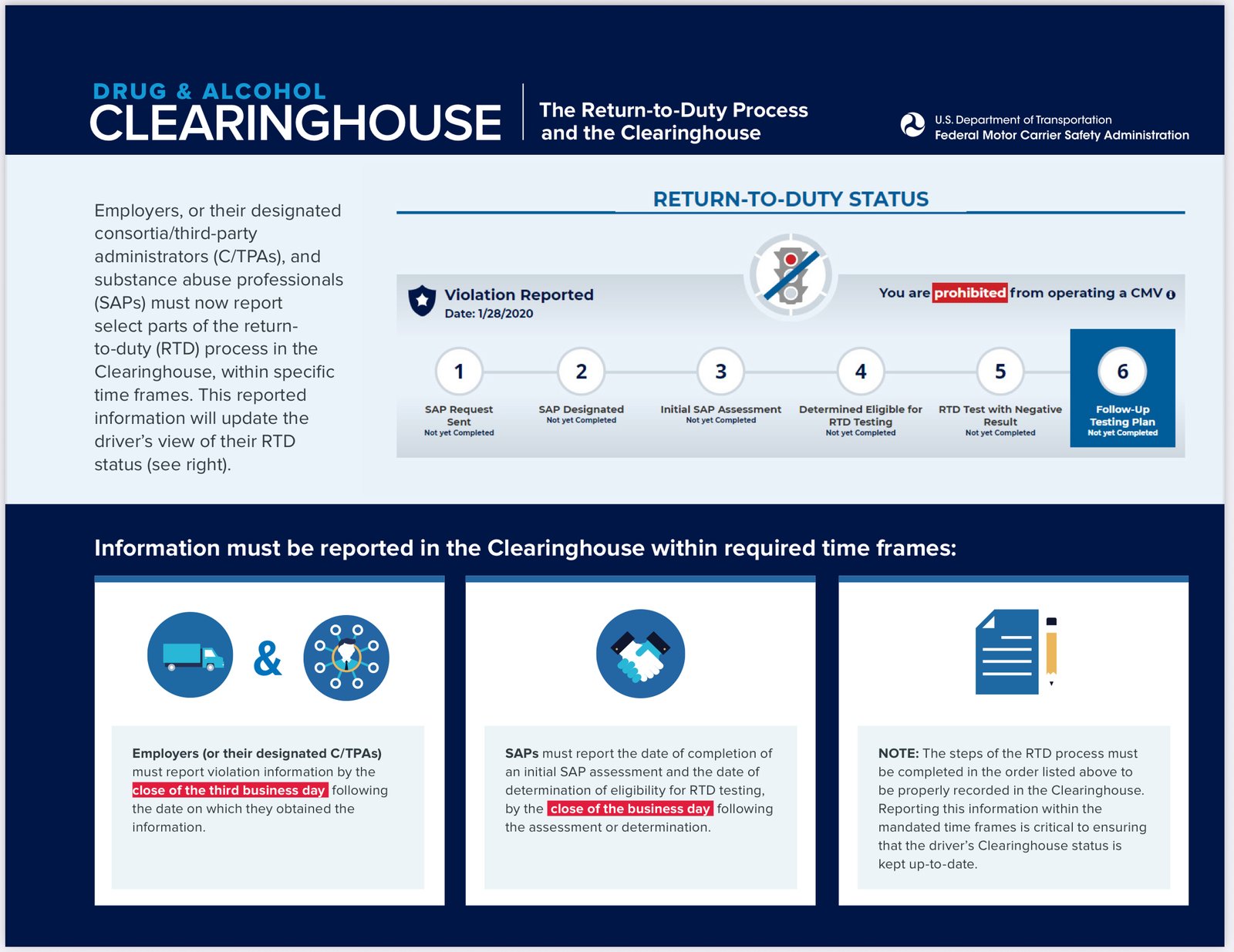
Once a violation occurs, the driver must complete the DOT Return‑to‑Duty (RTD) process with a certified Substance Abuse Professional before they can legally drive again in a safety‑sensitive position.
What the SAP Process Involves
The SAP process is not just a single class or quick appointment. It usually includes:
- An initial evaluation by a certified SAP counselor
- Completion of recommended treatment or education
- Follow‑up evaluation
- Observed return‑to‑duty drug/alcohol test
- Up to 5 years of follow‑up testing
This process can cost hundreds to thousands of dollars, and insurance rarely covers it.
How SAP Status Affects Hiring
Many new drivers are surprised to learn that:
- Not all trucking companies hire SAP drivers
- Local and regional companies are the least likely to hire drivers with SAP history
- Even companies that accept SAP drivers may require experience first
Some schools will accept students into CDL programs even if they already have a SAP violation, but they cannot guarantee employment afterward. Completing trucking school does not remove SAP status from your record.
That means a graduate could have:
- CDL license in hand
- SAP requirement still active
- Very limited job options
This often pushes drivers into a small group of long‑haul carriers willing to work with SAP drivers—sometimes with lower pay and stricter conditions.
The Truth About Local Jobs After Trucking School
One of the biggest selling points of trucking school is the idea that you can quickly get a “home every night” job. While local trucking jobs do exist, they are rarely offered to brand‑new drivers.
Why Local Companies Want Experience
Local driving jobs are more demanding in many ways:
- Tight city streets
- Frequent backing at docks and job sites
- Heavy traffic
- Customer interaction
Because of this, local companies usually require:
- 6 months to 2 years of verifiable driving experience
- Clean safety record
- Sometimes endorsements (hazmat, tanker, etc.)
From an insurance standpoint, companies often cannot insure inexperienced drivers, even if they want to hire them.
What Most New Drivers Actually Start With
Most graduates from trucking school begin with:
- Over‑the‑road (OTR) positions
- Regional routes
- Long weeks away from home
This is not because schools are lying—it’s because experience is the currency of trucking. Once drivers build a solid safety record, better schedules and local opportunities become more realistic.
When SAP and No Experience Combine: A Tough Starting Point
For drivers who are both:
- New to the industry
- In the SAP return‑to‑duty process
Job options become even more limited.
In this situation, drivers may face:
- Fewer carrier choices
- Longer time away from home
- Lower starting pay
- More difficult working conditions
This doesn’t mean a career in trucking is impossible—but it does mean expectations should be realistic before enrolling in school and taking on debt.
Questions Every Future Student Should Ask a Trucking School
Before signing enrollment paperwork, students should ask:
- Do you accept students with SAP history?
- Do you help place SAP drivers with carriers?
- What percentage of your graduates get local jobs?
- What kind of companies usually hire your graduates?
- What are the total costs beyond tuition?
A good school should answer these questions honestly and in writing if possible.
Making Smart Career Moves in Trucking
Trucking can still be a strong career path, even for those who must complete the SAP program or start with long‑haul work. The key is planning with clear information instead of promises.
New drivers should understand that:
- Local jobs are usually earned after experience
- SAP status limits employer options
- School placement does not equal guaranteed employment
When drivers know this upfront, they can:
- Choose schools more carefully
- Budget for SAP expenses if needed
- Prepare themselves and their families for time on the road
Companies like USA CDL Recruiting can help you
Final Thoughts
Trucking schools play an important role in training safe drivers, but students also deserve transparency about what happens after graduation. Understanding the impact of the SAP program and the reality of local job availability can save drivers from frustration, financial strain, and false expectations.
If you’re thinking about enrolling in trucking school, do your research, ask tough questions, and make sure the path you’re stepping into truly matches your goals.
Because a CDL is powerful—but only when paired with the right information and a realistic plan.
Trucking school and SAP program difficulties.
Need a experienced, honest driver recruiter