

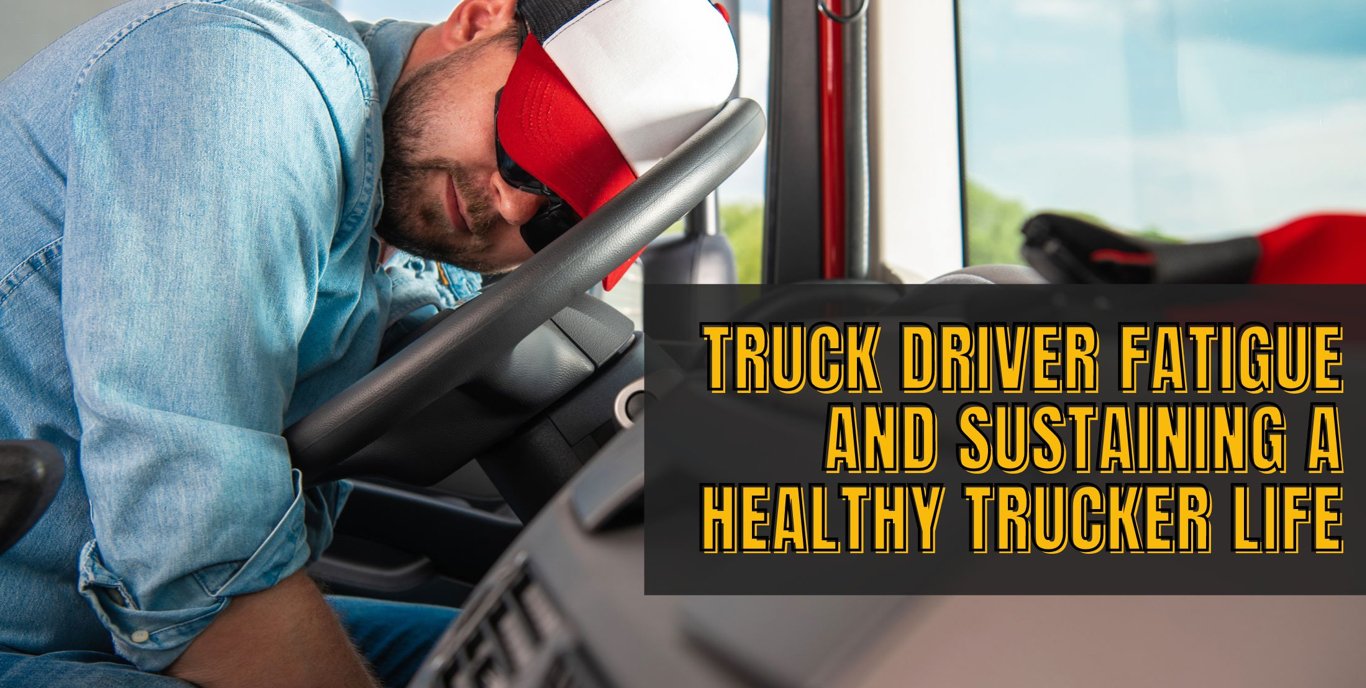
Truck Driver Fatigue and Health
🚛 Truck Driver Fatigue and Health: Why It Matters More Than Ever
Truck drivers are the backbone of the economy, keeping shelves stocked and industries moving. But long hours, tight schedules, and irregular sleep patterns can take a serious toll on both fatigue levels and overall health. Understanding these risks—and how to manage them—is essential for safety, longevity, and quality of life on the road.
😴 The Real Dangers of Driver Fatigue
Fatigue is more than just feeling tired. It slows reaction time, reduces focus, and increases the risk of accidents. Studies consistently show that drowsy driving can be just as dangerous as driving under the influence of alcohol.
Common causes of fatigue for truck drivers include:
- Long driving shifts
- Night driving and irregular schedules
- Poor sleep quality in the cab
- Stress and mental overload
- Poor diet and dehydration
Warning signs of fatigue:
- Heavy eyelids or frequent blinking
- Drifting between lanes
- Forgetting the last few miles driven
- Yawning repeatedly
Ignoring these signs can be deadly—not just for drivers, but for everyone on the road.
❤️ Health Challenges on the Road
Life on the road makes healthy routines difficult. Over time, this can lead to serious medical conditions.
Common Health Issues Among Truck Drivers
- Obesity and poor nutrition
- High blood pressure and heart disease
- Diabetes
- Sleep apnea
- Chronic back and joint pain
- Mental health struggles, including depression and isolation
Many of these conditions also worsen fatigue, creating a dangerous cycle.
🥗 Fueling the Body the Right Way
Truck stops don’t always offer healthy options, but small choices add up.
Tips for better nutrition:
- Stock up on healthy snacks: nuts, fruit, yogurt, protein bars
- Drink plenty of water (fatigue often starts with dehydration)
- Limit energy drinks and sugary sodas
- Choose grilled over fried foods when possible
Meal prepping before trips can also help drivers avoid relying entirely on fast food.
🏃 Staying Active, Even in Small Ways
Sitting for long hours affects circulation, muscles, and metabolism.
Easy ways to stay active:
- Walk around the truck stop during breaks
- Stretch before and after driving
- Keep resistance bands in the cab
- Do short bodyweight workouts (push-ups, squats, planks)
Even 10–15 minutes of movement per stop can improve energy levels and reduce stiffness.
🛌 Protecting Sleep Is Protecting Lives
Quality sleep is non-negotiable for safe driving.
Sleep improvement tips:
- Stick to consistent sleep schedules when possible
- Use blackout curtains and earplugs in the cab
- Avoid heavy meals and caffeine before sleep
- Get screened for sleep apnea if snoring or daytime sleepiness is common
Companies can also help by building schedules that allow for real rest, not just minimum legal breaks.
🧠 Mental Health Matters Too
Loneliness, pressure to meet deadlines, and time away from family can wear drivers down.
Helpful strategies include:
- Regular calls or video chats with loved ones
- Podcasts and audiobooks for mental stimulation
- Seeking counseling or support groups when needed
- Talking openly about stress instead of pushing through it
Strong mental health supports better focus, safer driving, and overall well-being.
✅ A Shared Responsibility
Fatigue and health are not just personal issues—they’re industry-wide safety concerns. Drivers, companies, shippers, and regulators all play a role in creating conditions that support rest, wellness, and realistic schedules.