

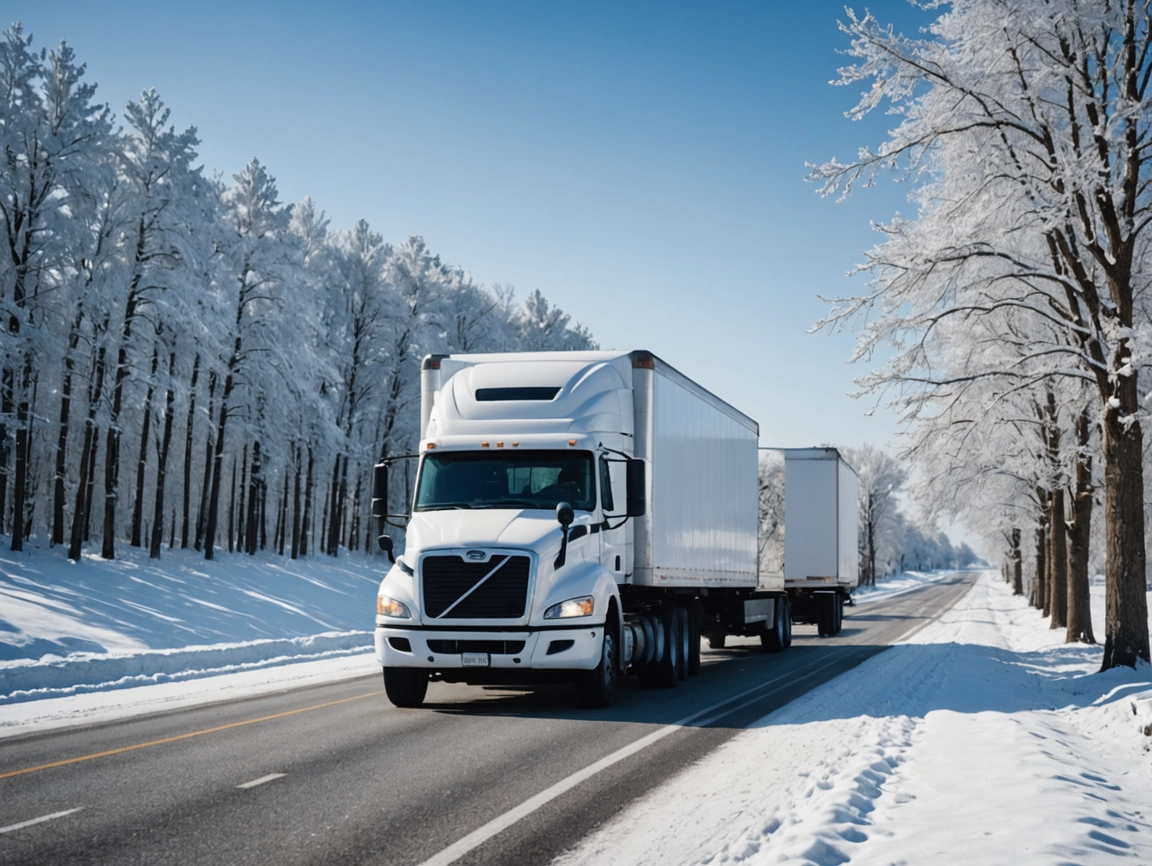
Diesel bill aims to address truckers’ operational realities
When it comes to diesel exhaust fluid requirements, many truckers are being left out in the cold, Sen. Dan Sullivan, R-Alaska, said during a Senate hearing on Wednesday, March 11.
“These are the men and women who keep our country moving,” Sullivan said. “They haul fuel and food and the supplies that keep communities running … And what they’re telling us is simple. The rules coming out of Washington don’t reflect the reality they face on the ground.”
In November 2025, Sullivan introduced the Cold Weather Diesel Reliability Act, which would direct the Environmental Protection Agency to update its regulations to account for how trucks operate in cold-weather states. S3135 would provide year-round exemptions from DEF system requirements for vehicles and equipment that operate primarily in cold climates, such as Alaska and Wyoming.
“My bill brings some common sense into the system,” Sullivan said as part of a Senate Environment & Public Works Committee hearing to examine S3135. “We have to listen to the people who have to deal with these everyday problems … We have to make sure that federal policy reflects the reality they face on the road.”
Ryan Anderson, commissioner of the Alaska DOT and Public Facilities, testified that his department estimates up to 80% of its diesel engine maintenance issues over the past two years have been related to emission control systems.
“Across Alaska, operators are reporting failures tied to diesel exhaust fluids and related emission control systems during sustained cold-weather operations,” Anderson said. “These systems can freeze, malfunction or trigger automatic engine derates. In most places, that might mean a quick trip to the repair shop, but in Alaska, when equipment loses power in extreme cold and remote areas, the consequences are far more dangerous. These situations are not hypothetical. They are happening today on Alaska’s highways where professional drivers are moving the fuel, food and industrial supplies that people in our state depend on.”
Sen. Cynthia Lummis, R-Wyo., and Wyoming Farm Bureau Federation President Todd Fornstrom delivered similar concerns about current DEF requirements in their state.
“Climate-alarmist bureaucrats in Washington do not understand that the consequences of their radical agenda are hurting real people in western communities,” said Lummis, who co-sponsored S3135 with Sullivan. “The people of Wyoming should not have to choose between breaking the law or losing their lives.”
Opponents of the Cold Weather Diesel Reliability Act were also represented at Wednesday’s hearing.
Sen. Sheldon Whitehouse, D-R.I., said the bill targets a problem that the EPA has already addressed.
“The potential for diesel emission control systems to fail at very low temperatures (below 12 degrees Fahrenheit) from a cold start is a known issue that has already been successfully addressed by EPA in 2009 and again last year,” Whitehouse said. “In both cases, EPA directed engine manufacturers to allow the vehicle to drive on for some distance (now, up to 8,400 miles) before the engine derates in response to a sensor telling it the NOx control system is not functioning.” LL