

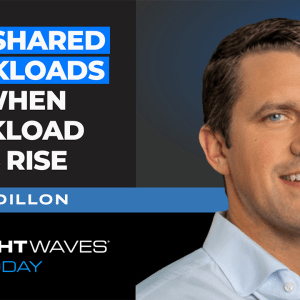
Why Shared Truckload Wins When Truckload Rates Rise
Shared truckload could cut shipping costs 30% to 40% as truckload rates climb. Flock Freight CEO Pat Dillon breaks down how it works, where it fits between FTL and LTL, and why shippers are leaning on it ahead of peak season.
In this conversation, Dillon also digs into cargo security, fraud controls, peak-season capacity, and what enterprise shippers are doing to protect service without blowing the budget.
#SharedTruckload #FlockFreight #FreightMarket
Rising full truckload rates in 2026 are pushing shippers toward shared truckload, a mode that Flock Freight CEO Pat Dillon says can cut transportation costs 30% to 40% compared with booking a standalone truckload — and the savings grow larger in years two and three of a shipper relationship.
Shared truckload, which Dillon describes as “carpooling for freight,” combines two shipments from separate shippers onto a single trailer, with two pickups and two drop-offs. The model targets freight in the 10-to-40 linear foot range — loads too large for the LTL sweet spot but not large enough to fill a full trailer. Dillon said the savings can compound to “hundreds of thousands or millions of dollars” annually for shippers moving hundreds of shipments through the mode.
“When you think about what Shared Truckload can do by driving higher utilization while still maintaining FTL level service and velocity throughout your system, it really resonates with enterprise shippers all the way down to SMB shippers,” Dillon said.
“It’s been such a shipper-centric market over the last 2 or 3 years. And now it’s kind of maybe switched to more of a provider-centric market. So I think it’s totally changed the paradox and people are looking for new solutions.”
Dillon said the carrier economics are also intentional: because two shipments generate a larger combined revenue base per load, Flock pays its motor carriers more than they would earn on a traditional one-pickup, one-drop full truckload move. He said the company’s core carrier is a standard full truckload operator and that routing is engineered to minimize out-of-route miles and avoid long layovers.
On cargo security — a concern raised by adding an extra pickup, drop, and seal break to each load — Dillon said Flock has invested across cybersecurity, carrier vetting, seal requirements, and law enforcement relationships. The company’s shipper base includes some of the largest importers in the country, which he said have been targets of sophisticated cargo theft rings. Dillon also cited the post-Montgomery judgment liability environment as a driver of investment in carrier vetting and insurance coverage, noting the brokerage industry has faced “enhanced scrutiny” over the past six months.
The technology behind the matching process is rooted in what Dillon called the “vehicle routing problem,” a classic operations research discipline. Flock prices and commits to shared truckload shipments instantaneously — without first confirming a pairing exists — using a proprietary dataset built over a decade of operations. Dillon said the platform continuously reoptimizes across thousands of partial shipments simultaneously, balancing lowest pooling cost against probability of execution and service compliance. He acknowledged the freight recession of 2024 and 2025 was difficult for the model, as incumbent FTL providers offered rates shippers hadn’t seen in a decade. “We grinded our way out during the freight recession,” he said. “It wasn’t easy for us as it wasn’t for any other freight brokerage.”
- Flock Freight CEO Pat Dillon says shared truckload delivers 30-40% savings versus full truckload, potentially reaching millions of dollars annually for high-volume shippers.
- The model pays carriers more per load than a traditional one-pick, one-drop truckload by combining two shippers’ revenue on a single trailer.
- Rising FTL spot rates in 2026 are accelerating shipper adoption after two years of soft rates suppressed demand for the mode.
This Summary is generated thanks to a transcription of the interview, for the full interview please enjoy the video above.
The post Why Shared Truckload Wins When Truckload Rates Rise appeared first on FreightWaves.